White shirt with yellow sweat stains before cleaning
instacare.ae Dubai’s No.1 Laundry, Dry Cleaning & Garment Care Service
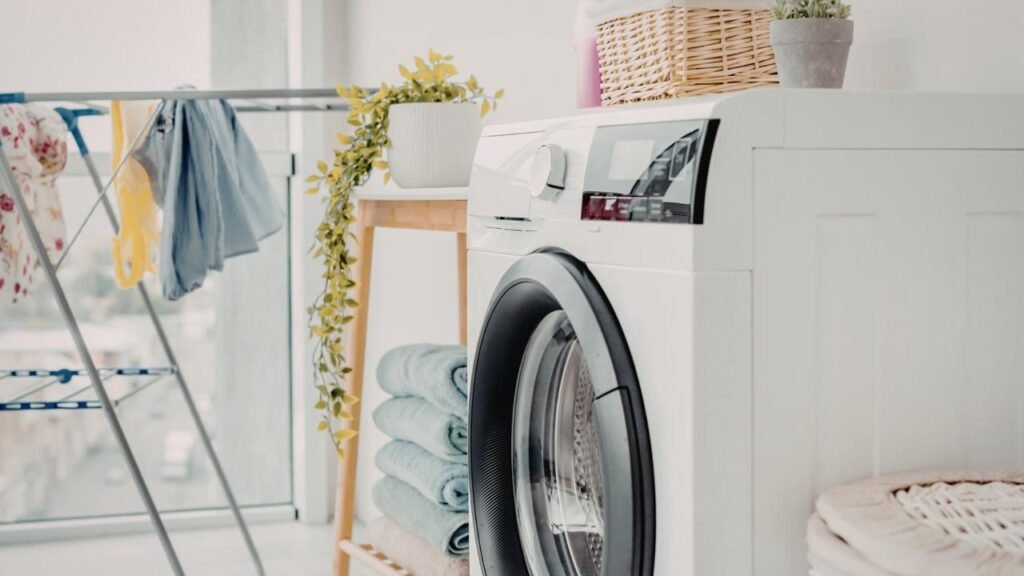
Most garment damage happens at home, not from wear, but from washing. The wrong water temperature, an aggressive spin cycle, or a misread care label can permanently shrink a wool jumper, shred a silk blouse, or strip the body from a linen shirt. In Dubai's harsh climate, where fabrics already face sweat, UV, and humidity, the stakes are even higher.
At instacare.ae, we've restored thousands of garments that were damaged by well-intentioned home washing. This guide covers the four most common fabric types, like linen, silk, wool, and cotton, and tells you exactly how each one should be cared for.
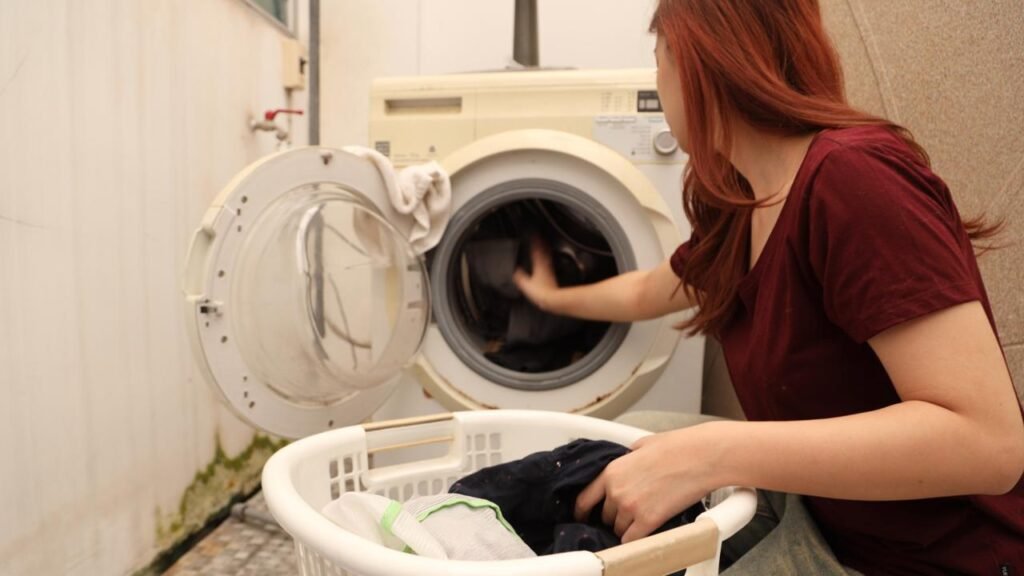
Why Do Yellow Stains Appear on White Shirts?
Most people assume sweat alone is the culprit, but that’s only part of the story. Yellow stains form when the oily proteins from underarm sweat combine with aluminum salts found in most antiperspirants. These compounds bond tightly to shirt fibers, and once the garment goes through a hot dryer, the stain gets permanently baked in.
As white shirts age, repeated exposure to sweat, body oils, and air causes fabric fibers to gradually break down, leading to discoloration even beyond the underarm area. Sweat itself is a mixture of water, proteins, salt, and fats. When these interact with deodorant residue on fabric over time, the buildup creates those unmistakable yellow marks.
In Dubai, the problem is even more common. The intense heat and humidity cause heavier perspiration throughout the day, and hard water mineral deposits react with sweat and detergent residue to further deepen staining on white fabrics.
The Biggest Mistake People Make: Using Bleach
It feels logical to reach for bleach on a white shirt, but this is one of the most damaging mistakes you can make. Chlorine bleach reacts chemically with sweat proteins and can actually deepen the yellowing, turning a manageable stain into a permanent one. Always choose oxygen-based bleach as a safer and more effective alternative for white garments.
5 Proven Ways to Remove Yellow Sweat Stains at Home
1. 🧴 Baking Soda + Hydrogen Peroxide Paste (Best Overall)
This is the most powerful at-home combination for yellow stains. Hydrogen peroxide releases oxygen when it breaks down, a process called oxidation, which bleaches the stain by breaking apart the yellow-causing molecules. Baking soda acts as a gentle abrasive that physically lifts the stain from fabric without causing damage.
What you need:
- 3 tablespoons baking soda
- 2 tablespoons hydrogen peroxide
How to use: Mix into a thick paste. Apply directly to the stain, leave for 30–60 minutes, scrub gently with an old toothbrush, rinse with cold water, then machine wash on a normal cycle.
2. 🍶 White Vinegar Soak
White vinegar is a mild natural acid that dissolves grease and mineral deposits left behind by antiperspirant. It is one of the most effective and fabric-safe remedies available.
What you need:
- 1 cup white vinegar
- 1 cup cold water
How to use: Mix together and fully submerge the stained area. Soak for at least 30 minutes — or overnight for older, deeply set stains. Scrub gently, rinse with cold water, then wash as normal.
3. 🧂 Baking Soda + White Vinegar Combo
When baking soda (an alkali) and white vinegar (an acid) are combined, they undergo a chemical reaction that significantly boosts their individual cleaning power — making this duo particularly effective on stubborn, older stains.
What you need:
- 2 tablespoons baking soda
- 2 tablespoons white vinegar
- 1 tablespoon water
How to use: Mix into a paste and work into the stain with a toothbrush. Let sit for 30 minutes, then rinse with cold water and machine wash.
4. 🍋 Lemon Juice + Sunlight
Lemon juice is a natural, mild bleaching agent that lightens yellow stains by dissolving organic compounds in the fabric. Combined with direct sunlight, whose ultraviolet rays naturally break down stain molecules, this is a surprisingly effective method for white garments.
What you need:
- Fresh lemon juice (or bottled)
- Direct sunlight
How to use: Apply lemon juice directly to the stain, sprinkle a little salt on top, rub gently, then lay the shirt in direct sunlight for 2–4 hours. Rinse and wash normally. Use only on white garments, lemon juice can fade colored fabrics.
5. 🧪 Enzyme-Based Stain Removers
Products like OxiClean or similar oxygen-based stain removers are among the easiest options for lifting set-in yellow discoloration. They require minimal effort and work effectively on most fabric types.
How to use: Pre-treat the stain directly with the product, let it sit for the time recommended on the label, then machine wash in cold water as normal.
Step-by-Step: How to Wash a Stained White Shirt Correctly
Follow these steps every time for the best results:
- Turn the shirt inside out to fully expose the stained armpit area
- Apply your chosen stain treatment directly and generously to the fabric
- Leave for at least 20 minutes up to overnight for older or deeper stains
- Place directly into the washing machine without rinsing off the treatment first
- Wash on a cool or cold cycle following the garment’s care label
- After washing, check the stain carefully before drying
- Air dry only until the stain is completely gone dryer heat permanently sets any remaining residue, even stains not visible when wet
Common Mistakes That Make Yellow Stains Worse
Knowing what not to do is just as important as knowing what to do:
Using hot water too soon heat activates and sets stains into fabric fibers. Always start with cool or cold water when treating a stained white shirt.
Reaching for chlorine bleach — this reacts chemically with sweat proteins and deepens yellowing rather than removing it. A very common mistake that permanently damages white shirts.
Putting the shirt straight in the dryer — if even a trace of stain remains after washing, the dryer will lock it in permanently.
Overstuffing the washing machine — this prevents detergent from dispersing evenly, causing oils and dirt to redeposit on fabric and contributing to further yellowing over time.
Ignoring the care label — always check the garment’s care instructions before applying any stain treatment to avoid unexpected fabric damage.
Leaving stains untreated — the longer sweat and deodorant residue sit in fabric, the deeper they bond to the fibers and the harder they become to remove.
When Home Remedies Are Not Enough
Sometimes a stain is simply too old, too deep, or the fabric too delicate for home treatment. Formal dress shirts, linen, fine cotton, and structured collared shirts often require professional handling to avoid damage.
Professional laundry specialists use advanced stain-removal technology and fabric-safe cleaning agents that penetrate deeper than any home remedy — lifting even the most stubborn set-in yellowing while fully preserving the garment’s texture, color, and structure.
At Instacare Laundry, our stain removal experts handle everything from everyday white shirts to delicate formal wear with the same level of care and precision. We collect your garments directly from your door, treat every stain professionally, and return them fresh, bright, and ready to wear with free pickup and delivery across Dubai.
👉 Book your pickup at instacare.ae
How to Prevent Yellow Stains From Coming Back
Prevention is always easier than removal. Here are the most effective habits to protect your white shirts:
Switch to aluminum-free deodorant — aluminum compounds are the primary chemical trigger for yellow staining on white fabric. Aluminum-free formulas eliminate this reaction.
Let the deodorant dry completely before putting on your shirt — applying a shirt over wet deodorant transfers the product directly to fabric fibers.
Wash shirts after every wear — never let sweat sit in fabric overnight or longer. The faster you wash, the easier any staining is to remove.
Wear a thin undershirt as a protective barrier between your skin and outer clothing. This single habit dramatically reduces staining on dress shirts and formal wear.
Pre-treat armpit areas before wearing — a light spray of diluted white vinegar before putting on your shirt creates a mild barrier against deodorant and sweat buildup.
Choose breathable natural fabrics like cotton for everyday wear. Natural fibers regulate body temperature more effectively than synthetics, reducing sweat production.
Act immediately on any stain — the moment you notice yellowing, treat it. A fresh stain takes minutes to remove; an old one can take hours or may be permanent.
Final Thoughts
Yellow sweat stains do not have to mean the end of your favorite white shirt. With the right technique, most stains can be fully lifted at home. The key is acting quickly, choosing the correct treatment for your fabric, and always avoiding heat until the stain is completely gone.
For stubborn, old, or delicate cases where home remedies fall short, Instacare Laundry’s professional stain removal service in Dubai is just one tap away, giving your white shirts the expert care they deserve.
Categories
- Bag Cleaning
- Bag Cleaning Service
- Baking Soda to Clean Stains
- Baking Soda to Laundry Detergent
- Best Carpet Cleaning Service
- Best Laundry Services in Dubai
- Blog
- Carpet Cleaning
- Clean Rite
- Cleaners Supply
- Clothes Cleaners Near Me
- Clothing Care Symbols
- curtain cleaning service
- Dry Clean Near Me
- Dry Cleaning Services
- Dry cleaning vs. Regular washing
- Dubai Lifestyle & Climate
- Holiday Home Laundry Cleaning
- How to Get Ink Out of Clothes
- How to Get Ink Out of Clothes: Expert Tips by Instacare Laundry
- How to Get Wax Out of Clothes
- How to Remove Blood Stains
- How to Unshrink Clothes
- How to Wash Cashmere
- I Can Smell Myself Through My Pants: Causes and Solutions
- Jack Brown Cleaners
- Launderette
- Laundromats Near Me
- Laundry & Garment Care
- Laundry & Stain Removal
- Laundry Care Symbols
- Laundry Codes
- Laundry Guide
- Laundry Mats Near Me
- Laundry Pick Up and Delivery Near Me
- Laundry Service in Dubai
- Laundry Service in Dubai
- Laundry Services
- Laundry Tips
- Laundry World
- Lipstick Stain
- Premium Laundry Services in Dubai
- Prevent Wrinkles
- Professional Dry Cleaning Services in Dubai
- Rainbow Cleaners
- school unform cleaning
- shoe cleaning service in Dubai
- Shoe Repair in Dubai
- Shoe Repair Services in Dubai
- Shoes Cleaning
- sneaker cleaning
- sneakers cleaning service
- sofa cleaning
- sofa cleaning services
- Steam Iron
- steam ironing service
- Top-Notch Shoe Repair and Cleaning in Dubai
- Toy cleaning services
- Uncategorized
- Vinegar in Laundry
- What Do Dryer Sheets Do
Tags
- Armpit Stains
- bag cleaning
- bag cleaning service
- Best Carpet Cleaning Service
- best carpet cleaning service in Dubai
- best laundry service in dubai
- best laundry services in dubai
- carpet cleaning service in Dubai
- curtain cleaning service
- Desert Climate
- Dry Cleaning
- Dry Cleaning Dubai
- dry cleaning service in dubai
- dry cleaning service near me
- dry cleaning services in dubai
- Fabric Care
- Garment Care
- Holiday Home Laundry Cleaning
- How to Get Slime Out of Clothes
- How to Get Wax Out of Clothes
- How to Remove Blood Stains
- Humidity Damage
- Instacare Laundry
- ironing service
- Laundry Mats Near Me
- Laundry Services
- laundry services Dubai
- professional shoe cleaning
- school unform cleaning service
- shoe cleaning Dubai
- shoe cleaning service in Dubai
- Shoes Cleaning
- sneaker cleaning service
- sneakers cleaning
- sofa cleaning
- sofa cleaning by Instacare laundry
- Sofa Cleaning service
- sofa cleaning services
- Steam Ironing
- steam ironing service
- Steam Ironing Service in Dubai
- Steam Iron Service
- suede cleaning
- Sweat Stains
- White Clothes Care