
How to Properly Fold and Store Clothes to Prevent Wrinkles.
Published under: Laundry Tips | Instacare Dubai
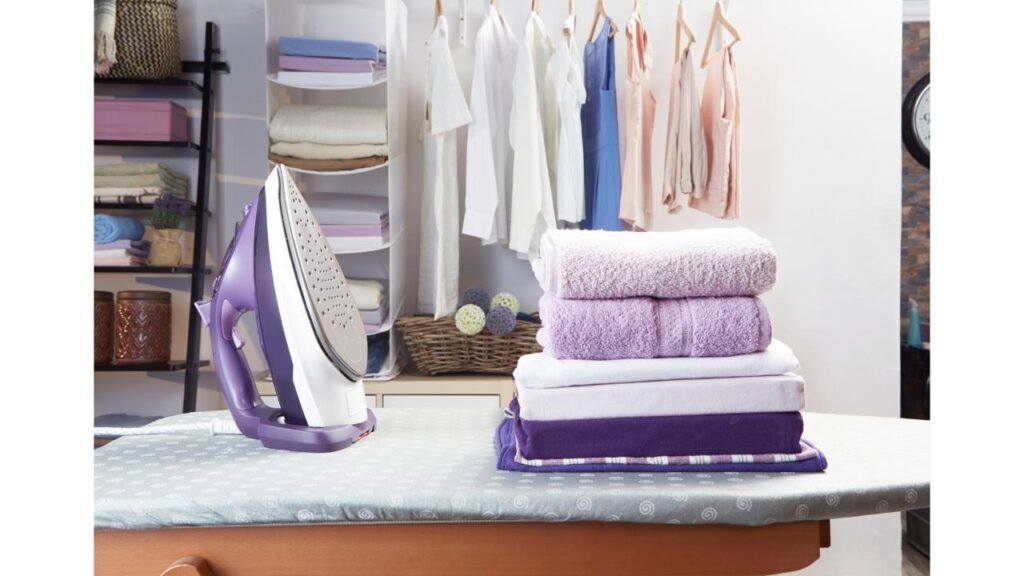
Opening your wardrobe to find wrinkle-free, neatly stored clothes is one of life's small but satisfying pleasures, especially in Dubai's fast-paced lifestyle. Whether you're heading to a business meeting in DIFC or a weekend brunch in JBR, wrinkled clothes can instantly affect your presentation and confidence.
The good news? Most wrinkles are preventable, and it all starts with how you fold and store your clothes right after washing. In this guide, we share expert, practical techniques to keep every item in your wardrobe looking freshly pressed, for longer.
Why Do Clothes Wrinkle in Storage?
Before diving into solutions, it helps to understand the problem. Wrinkles form when fabric fibres are compressed under pressure or heat and then “set” in a creased position. Common causes include:
- Leaving clothes in the dryer too long after the cycle ends
- Folding clothes while still slightly damp
- Overstuffing drawers or shelves
- Improper folding techniques that create hard crease lines
- Hanging heavy knits that stretch and then bunch
The right folding and storing habits address all of these issues at the root.
Step 1: Always Start with Properly Laundered Clothes
No amount of careful folding will help if your garments haven’t been washed and finished correctly. Clothes that come out of the wash twisted, over-dried, or still damp will wrinkle no matter how neatly you fold them.
This is where professional laundry care makes a real difference. Instacare’s Wash and Fold service ensures your clothes are cleaned, dried to the ideal moisture level, and finished before being returned to you, so wrinkle prevention begins before they even reach your wardrobe.
For delicate fabrics like silk, chiffon, or wool, consider Dry Cleaning to avoid shrinkage and fabric stress that causes deep-set wrinkles.
Step 2: Fold Clothes While Slightly Warm
The ideal time to fold clothes is immediately after drying, while they are still slightly warm. Warm fibres are more pliable and “set” smoothly in whatever position you place them. Leaving clothes in a pile even for 30 minutes allows wrinkles to form and harden.
Pro Tip: If clothes have cooled before you get to them, a quick pass with a steam iron before folding can relax the fibres and remove existing creases, making the fabric much easier to store flat.
Step 3: Master the Right Folding Techniques by Garment Type
Different fabrics and garment types need different folding approaches. Here’s a breakdown:
T-Shirts & Casual Tops
Use the flat fold method:
- Lay the shirt face-down on a flat surface.
- Fold one side in about one-third, including the sleeve.
- Repeat on the other side.
- Fold the bottom half up to meet the collar.
- Store vertically in a drawer (file folding method) so you can see every shirt at a glance.
The file-folding method popularised by professional organisers prevents shirts from being buried and re-wrinkled every time you search for something.
Dress Shirts & Formal Shirts
For shirts prone to collar creases:
- Button the shirt fully, including the collar button.
- Lay flat, fold sleeves back along the body.
- Fold into thirds lengthwise.
- Fold in half or thirds from the bottom.
Alternatively, hanging dress shirts on quality hangers is often the better option. For professionally laundered and pressed dress shirts, Instacare’s Wash and Iron service returns them on hangers, crease-free and ready to wear.
Trousers & Chinos
- Hold trousers up by the waistband and let them hang naturally.
- Align the inseams and lay flat.
- Fold in half lengthwise along the natural crease.
- Fold in half or thirds from the bottom.
Avoid folding at the knee this creates a permanent crease mid-trouser that is difficult to remove without ironing.
Knitwear & Sweaters
Never hang knits; the weight causes them to stretch and create shoulder bumps. Always fold knitwear:
- Lie flat, arms folded inward.
- Fold in half from the bottom to the collar.
- Store on a flat shelf rather than in a compressed drawer.
For high-quality knitwear, cashmere, and merino wool, we recommend professional Dry Cleaning, which protects the fibres and removes odours without causing felting or shrinkage.
Jeans & Denim
Denim is forgiving but can develop stubborn fold lines:
- Fold in half along the seam lengthwise.
- Fold in thirds from the bottom.
- Store folded on a shelf or vertically in a drawer.
For selvedge or raw denim, avoid machine washing entirely. Consult Instacare’s Dry Cleaning specialists for the safest care.
Underwear & Socks
These are often neglected but contribute to wardrobe chaos:
- Fold underwear into thirds for compact, wrinkle-free storage.
- Pair and roll socks (don’t ball them, which stretches the elastic).
- Use drawer dividers to keep sections neat.
Bed Linen & Towels
Linen and towels take up significant wardrobe space and wrinkle easily:
- Fold into neat rectangles, then store the entire set inside one pillowcase.
- For towels, use the tri-fold method for hotel-style neat stacking.
For bedding that needs deep cleaning alongside perfect folding, explore Instacare’s Bedding Cleaning service, ideal for duvets, duvet covers, pillow protectors, and large linen items.
Step 4: Choose the Right Storage Method
Even perfectly folded clothes will wrinkle if stored incorrectly.
Use Drawer Dividers
Overstuffed drawers compress clothing and cause creases. Drawer dividers keep garments in their own space and prevent stacking pressure. Aim to fill drawers to around 80% capacity, with enough structure to keep items upright, but not so tight that they compress.
Hang Where Appropriate
Items like blazers, coats, formal dresses, and dress shirts should be hung, not folded. Use:
- Velvet hangers for slippery fabrics like silk and satin.
- Wooden hangers for structured jackets and coats (they hold the shoulder shape better than wire).
- Trouser bars for hanging trousers by the hem to avoid mid-crease folds.
Avoid overcrowding your hanging rail. Clothes packed tightly together wrinkle from contact pressure and poor air circulation.
Allow Breathing Space
Fabric needs airflow to stay fresh and wrinkle-free. Avoid storing clothes in sealed plastic bags long-term, as the lack of breathability can cause musty odours and fabric stress. Instead, use breathable cotton garment bags, especially for suits and formal wear.
Step 5: Special Care for Delicate & Luxury Garments
Some fabrics demand extra attention in storage:
| Fabric | Folding Method | Storage Method |
|---|---|---|
| Silk | Loosely folded in tissue paper | Flat in a breathable drawer |
| Cashmere / Wool | Flat fold | Shelf, not drawer |
| Linen | Fold lightly | Hang or loosely fold — avoid tight creases |
| Velvet | Never fold, always hang | Padded velvet hangers |
| Leather Jackets | Do not fold | Padded hanger, breathable cover |
For these fabrics, at-home washing and folding carries the risk of damage. Instacare’s Dry Cleaning service is specifically designed to care for luxury and delicate garments, preserving texture, colour, and shape.
Step 6: The Final Touch — Steam or Iron Before Wearing
Even with perfect storage, some garments benefit from a final touch before wearing. A quick steam relaxes remaining fibres and gives clothes that “just pressed” look.
Instacare offers a dedicated Steam Iron service for residents across Dubai , ideal for formalwear, business attire, and any garment that needs a crisp, polished finish without the effort of home ironing.
Let Instacare Handle It for you- Life in Dubai is busy, and keeping an entire wardrobe perfectly folded and wrinkle-free takes real effort. Instacare makes it effortless. From our Wash and Fold and Wash and Iron services to expert Dry Cleaning and Steam Ironing, we handle every garment with the care it deserves.
Categories
- Bag Cleaning
- Bag Cleaning Service
- Baking Soda to Clean Stains
- Baking Soda to Laundry Detergent
- Best Carpet Cleaning Service
- Best Laundry Services in Dubai
- Blog
- Carpet Cleaning
- Clean Rite
- Cleaners Supply
- Clothes Cleaners Near Me
- Clothing Care Symbols
- curtain cleaning service
- Dry Clean Near Me
- Dry Cleaning Services
- Dry cleaning vs. Regular washing
- Dubai Lifestyle & Climate
- Holiday Home Laundry Cleaning
- How to Get Ink Out of Clothes
- How to Get Ink Out of Clothes: Expert Tips by Instacare Laundry
- How to Get Wax Out of Clothes
- How to Remove Blood Stains
- How to Unshrink Clothes
- How to Wash Cashmere
- I Can Smell Myself Through My Pants: Causes and Solutions
- Jack Brown Cleaners
- Launderette
- Laundromats Near Me
- Laundry & Garment Care
- Laundry & Stain Removal
- Laundry Care Symbols
- Laundry Codes
- Laundry Guide
- Laundry Mats Near Me
- Laundry Pick Up and Delivery Near Me
- Laundry Service in Dubai
- Laundry Service in Dubai
- Laundry Services
- Laundry Tips
- Laundry World
- Lipstick Stain
- Premium Laundry Services in Dubai
- Prevent Wrinkles
- Professional Dry Cleaning Services in Dubai
- Rainbow Cleaners
- school unform cleaning
- shoe cleaning service in Dubai
- Shoe Repair in Dubai
- Shoe Repair Services in Dubai
- Shoes Cleaning
- sneaker cleaning
- sneakers cleaning service
- sofa cleaning
- sofa cleaning services
- Steam Iron
- steam ironing service
- Top-Notch Shoe Repair and Cleaning in Dubai
- Toy cleaning services
- Uncategorized
- Vinegar in Laundry
- What Do Dryer Sheets Do
Tags
- bag cleaning
- bag cleaning service
- Baking Soda Cleaning
- Best Carpet Cleaning Service
- best carpet cleaning service in Dubai
- best laundry service in dubai
- best laundry services in dubai
- carpet cleaning service in Dubai
- Color Fading
- curtain cleaning service
- Dry Cleaning
- Dry Cleaning Dubai
- dry cleaning service in dubai
- dry cleaning service near me
- dry cleaning services in dubai
- Dubai Summer
- Gulf Weather
- Holiday Home Laundry Cleaning
- How to Get Slime Out of Clothes
- How to Get Wax Out of Clothes
- How to Remove Blood Stains
- Humidity Damage
- Instacare Laundry
- ironing service
- Laundry Mats Near Me
- Laundry Services
- laundry services Dubai
- professional shoe cleaning
- Remove Sweat Stains
- school unform cleaning service
- shoe cleaning Dubai
- shoe cleaning service in Dubai
- Shoes Cleaning
- sneaker cleaning service
- sneakers cleaning
- sofa cleaning
- sofa cleaning by Instacare laundry
- Sofa Cleaning service
- sofa cleaning services
- Steam Ironing
- steam ironing service
- Steam Ironing Service in Dubai
- Steam Iron Service
- suede cleaning
- White Clothes Care